
























History of watches
What are watches used for?
What are the main types of watches?
Choosing a watch – factors and criteria
Useful tips and practices for watch maintenance
Watches
In spite of the progress of technology and the overall world modernization, the watch is still one of the most popular and preferred accessories by people. Whether it is because of their convenience in terms of time-checking or the fact that they bring style and elegance, watches continue to be seen on people’s hands or on the walls of their homes. Below are the factors and reasons for such wide and lasting spread of watches as a product category. In addition, there will be reviewed some very important advice for choosing the right watch and how to preserve it afterwards.
History of watches
The idea of creating a device with functions and mechanisms similar to those of modern watches dates back to ancient times. Hundreds of years before Christ, devices for measuring time were invented in China and Egypt. Many centuries passed, however, before these mechanisms were developed and refined enough for products resembling today's concept of a watch to appear. In fact, the first mechanical devices used for such purposes were created only around the middle of the last millennium.
The invention of the first pocket watch is associated with the German scientist Peter Henlein. Between 1500 and 1510, he created an improved spring-driven timekeeping mechanism. The mechanism could run for about 40 hours after being wound. Although watches of this type were almost revolutionary for their time, they did not offer the accuracy we are used to today. Early pocket watches were not widespread among the general population, as their high price made them suitable mainly for people from the upper classes.
The beginning not only of the wristwatch but also of a new era in the evolution of this product category is associated with the French inventor Abraham–Louis Breguet. For years he worked with renowned watchmakers before opening his own workshop and shop and registering his own trademark. This also gave impetus to his research aimed at improving watch mechanisms.
In 1780, Abraham–Louis Breguet presented a mechanical wristwatch made by him, which was a remarkable innovation for its time. It was considerably more accurate than its predecessors and operated continuously without interruption. The expansion of France under Napoleon Bonaparte enabled Breguet to increase his profits substantially and invest them in further improving and modernizing production. As a result, watches with centrally positioned hands, a military chronometer and many other innovations appeared.
After Abraham–Louis Breguet's death, his work was continued by his grandson Louis–Clément, who created the first electric watch. The Breguet brand has remained a symbol of quality and innovation over time and has played an important role in the development of modern watches with numerous conveniences, additional functions and features. Today the brand is owned by the Swiss corporation Swatch, and owning a Breguet watch continues to be regarded as a sign of prestige and excellent taste.
What are watches used for?
Checking the time is naturally the main function of watches. With modern watches, however, their refined designs and many additional features mean that this is far from their only function. Watches can also be used to measure periods of time, decorate a room or demonstrate a certain social status. Here is more about each of these uses:
- checking the time – despite the widespread use of smartphones, watches remain an extremely convenient and popular way to check the time. A wristwatch, for example, lets you see the exact time quickly and easily at any moment, without the extra movements required to take out and use a smartphone. Wristwatches are also suitable in places where smartphones are not allowed, such as during an exam.
- measuring time – many watches can also be used as chronometers or stopwatches. This allows you to measure a specific period of time that may be important to you. Such functions are commonly used in sports competitions, training sessions and other situations where a particular time interval needs to be measured.
- decoration – watches and clocks are often used for decorative purposes, especially in the home but also in public spaces where such use is appropriate. Wall clocks can add a traditional, classic atmosphere and contribute to a sense of comfort and coziness.
- style and prestige – watches from well-known international brands can easily become symbols of style and prestige. People often buy branded wristwatches to express their taste and association with a particular social group.
What are the main types of watches?
The most common classification for different kinds of watches is made depending on the place where you put or wear them. Below are the main kinds of watches according to that criteria, as well as some of their characteristics.
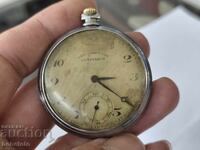
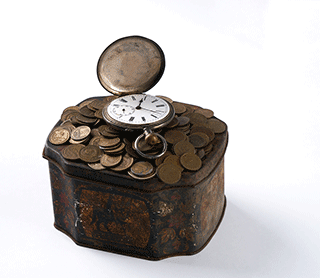
- pocket watches – their major advantage is that they are small and people can always carry them with themselves. For the manufacture of fine devices of this kind are used precious metals such as gold and silver, and sometimes even Gems are added for additional decoration.
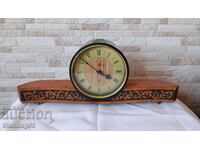
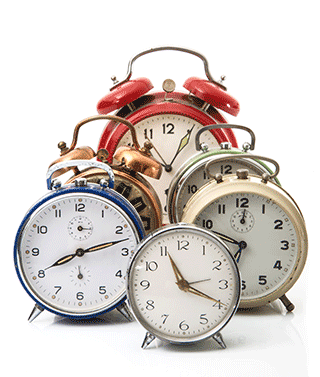
- table clocks – unlike pocket watches, table clocks are usually made for your home. A considerable part of them is also used as alarm clocks. Table clocks could have quite beautiful and aesthetic outlook.
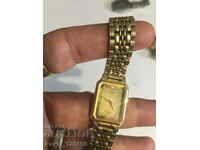
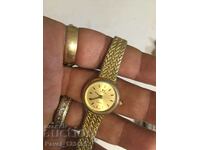
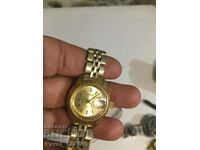
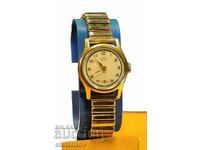
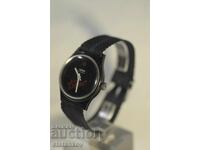
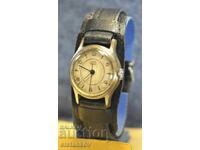
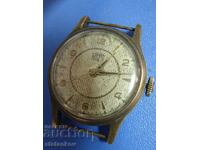
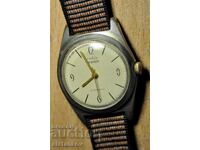
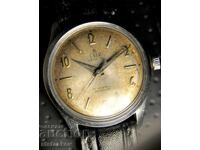
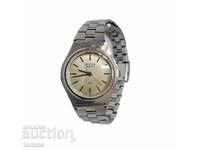
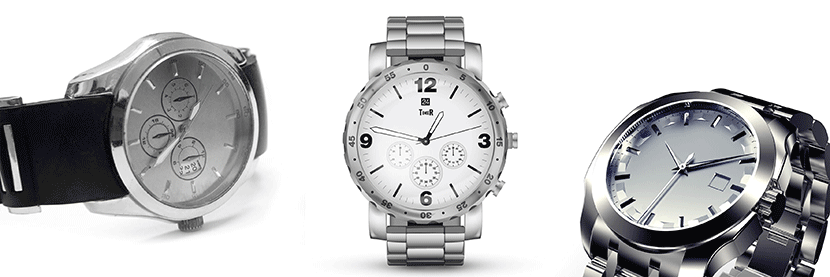
- wrist watches – wrist watches are still a very popular accessory. They are very suitable for easily checking the time. What is more, wearing wrist watches, which are part of the catalogs of famous brands, is a common sign of style, an excellent taste and high social status.
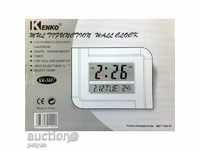
- wall clocks – wall clocks are still used in a lot of houses. They are convenient for keeping track of time, and at the same time serve perfectly as a decorative wall element. Apart from houses and apartments, wall clocks are also used in business buildings and public places.


Choosing a watch – factors and criteria
There are a number of factors and criteria to consider when choosing a new watch, from the mechanism and materials to the brand and price. Here is what you should know about each of them:
1. Mechanism – watch movements can be quartz or mechanical. Mechanical watches are preferred by people who appreciate a traditional and classic style. Quartz watches are currently more popular because of their accuracy, precision and, not least, their lower price.
2. Material – another important factor when choosing a new watch. The combination of stainless steel and brass is among the most popular because it is durable while keeping the price relatively affordable. Watches made of gold or platinum belong to higher price categories.
3. Water resistance – water resistance is a useful feature. Watches are offered in several groups depending on this criterion. Watches rated at 30 or 50 m are generally protected only against light splashes and should not be worn in a swimming pool. For such purposes, watches with water resistance of 100 m or more are more appropriate.
4. Brand – the brand matters not only for the prestige and style it conveys, but also for the quality of the watch itself. Established manufacturers with a strong reputation and long-standing traditions are less likely to compromise on quality and reliability. For this reason, a second-hand watch from a reputable brand can often be a better choice than a new watch whose quality and accuracy are uncertain.
5. Price – price is naturally an important consideration, especially for the average buyer looking for a watch whose features meet everyday needs. At BalkanAuction you can find a wide range of watches, including both new and pre-owned examples. You can choose a watch that suits your needs, preferences, taste and budget.
Useful tips and practices for watch maintenance
Buying a reliable quality watch does not guarantee that it would stay in an excellent condition for a long time. In order for this to happen you need to take care of the device in a proper way. Below are some useful advice and practices for keeping watches well-preserved:
- be careful with magnetic fields – do not leave your watch near devices, which emit a strong magnetic field (for example – mobile phones, speakers, etc.). Such devices could damage the functionality and precise work of your watch in the long run.
- no chemical detergents – if your watch is waterproof, you can use water or even a little bit of soap for its cleaning. But you should never use strong chemical detergents.
- change the strap – it is a good idea to do this because of hygiene and is highly recommended for leather straps.
BalkanAuction – Sell smart, Buy wisely!
History of watches
What are watches used for?
What are the main types of watches?
Choosing a watch – factors and criteria
Useful tips and practices for watch maintenance


